The Complete Guide to Hospital-Grade Disinfection
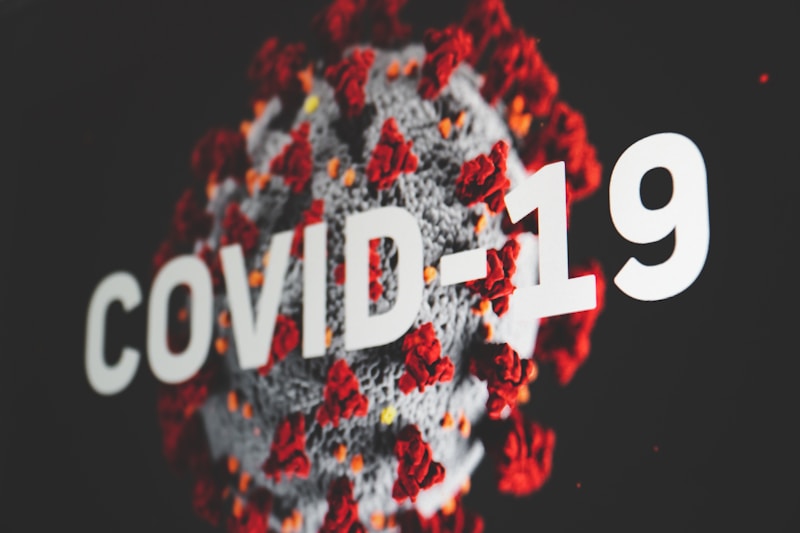
In healthcare settings, the quality of disinfection can be a matter of life and death. Hospital-grade disinfection is not simply about using a stronger chemical — it involves understanding the science of microbial kill, following precise protocols, and selecting products that are both effective and safe for patients, staff, and sensitive medical environments.
What Makes a Disinfectant "Hospital-Grade"?
A hospital-grade disinfectant is one that has been tested and proven effective against a broad spectrum of pathogens commonly found in healthcare environments, including:
- Bacteria: MRSA, E. coli, Pseudomonas aeruginosa, Salmonella, Klebsiella pneumoniae
- Viruses: Influenza, norovirus, hepatitis B and C, HIV, SARS-CoV-2
- Fungi: Candida albicans, Aspergillus, dermatophytes
- Tuberculocidal activity: Effective against Mycobacterium tuberculosis
These products must meet strict testing standards, typically evaluated against protocols such as the AOAC Use Dilution Method or EN standard testing.
The Critical Role of Contact Time
Contact time (also called dwell time) is the amount of time a disinfectant must remain visibly wet on a surface to achieve its claimed microbial kill rate. This is arguably the most important factor in effective hospital disinfection.
If a surface dries before the required contact time is met, the disinfection is incomplete and pathogens may survive. Here is a general guide:
| Disinfectant Type | Typical Contact Time | Best Used For |
|---|---|---|
| Hydrogen Peroxide (0.5–1.5%) | 1–3 minutes | General surfaces, patient rooms |
| Quaternary Ammonium (0.1–0.5%) | 5–10 minutes | General disinfection, floors |
| Sodium Hypochlorite (1000ppm) | 1–3 minutes | Blood spill clean-up, bathrooms |
| Alcohol (70–80%) | 30 seconds–1 minute | Small surfaces, equipment |
| Peracetic Acid (0.1–0.5%) | 5–10 minutes | Critical areas, endoscope reprocessing |
Dilution Ratios: Getting It Right
Incorrect dilution is one of the most common causes of disinfection failure. Too dilute, and the product will not kill the target pathogens. Too concentrated, and it may damage surfaces, irritate skin, or leave toxic residues.
Golden rule: Always measure concentrate accurately. Use calibrated dosing equipment — never estimate by pouring. A small error in dilution can render a disinfectant ineffective or dangerous.
Practical Dilution Tips
- Use marked measuring cups or automated dilution systems for consistency
- Mix only the amount you need for each shift to maintain concentration accuracy
- Label all diluted solutions with the product name, concentration, and preparation date
- Use softened or filtered water when possible, as hard water can reduce product efficacy
- Never mix different disinfectant products together
Surface-by-Surface Approach
Different areas of a healthcare facility require different disinfection strategies:
High-Touch Surfaces
Door handles, light switches, bed rails, call buttons, and handrails should be disinfected at least every 2–4 hours in patient care areas. Use a product with a short contact time for efficiency.
Patient Equipment
Medical devices, monitors, and bedside tables require disinfection between patients and at regular intervals. Ensure the product is compatible with the equipment materials.
Floors
Hospital floors should be cleaned and disinfected daily, with increased frequency in high-traffic areas and isolation rooms. Use a mop-and-bucket method with the correct dilution ratio, or an automated floor scrubber for larger areas.
Bathrooms and Wet Areas
Toilets, sinks, and shower areas require products effective against a broad spectrum of bacteria and fungi. Pay attention to grout lines and drains, which harbour biofilm.
Regulatory Compliance in Zimbabwe
Healthcare facilities in Zimbabwe must comply with Ministry of Health and Child Care guidelines for infection prevention and control. These guidelines reference WHO recommendations and require facilities to:
- Maintain an inventory of all disinfectants used in the facility
- Keep current SDS for every product
- Train cleaning staff on proper dilution and application techniques
- Document cleaning and disinfection activities
- Conduct regular quality checks on disinfection practices
Building Your Disinfection Programme
An effective hospital-grade disinfection programme includes:
- Product selection — Choose products based on the pathogen spectrum, contact time, surface compatibility, and safety profile
- Staff training — Ensure every team member understands dilution, application, contact time, and safety procedures
- Monitoring and documentation — Use cleaning logs, ATP testing, or visual inspections to verify effectiveness
- Regular review — Update protocols based on new evidence, outbreak data, and product advances
Discount Chemicals: Healthcare Disinfection Solutions
Discount Chemicals supplies a comprehensive range of hospital-grade disinfectants to healthcare facilities across Zimbabwe. Our products are formulated to meet international standards for microbial efficacy, and our team provides on-site training to ensure your staff can use them safely and effectively.
Contact our healthcare sales team on WhatsApp at +263 772 685 591 or visit discountchemicals.co.zw to discuss your facility's disinfection needs.